April 10, 2026
Septic systems are essential for many homeowners, providing an on-site method for managing wastewater safely and efficiently. Keeping these systems in good condition requires consistent attention, and regular inspections are a key part of that effort. When combined with routine septic pumping, inspections help prevent costly failures and protect both your property and the surrounding environment. Understanding how your system operates and why inspections matter allows you to take a proactive approach to maintenance.
Understand Septic System Basics
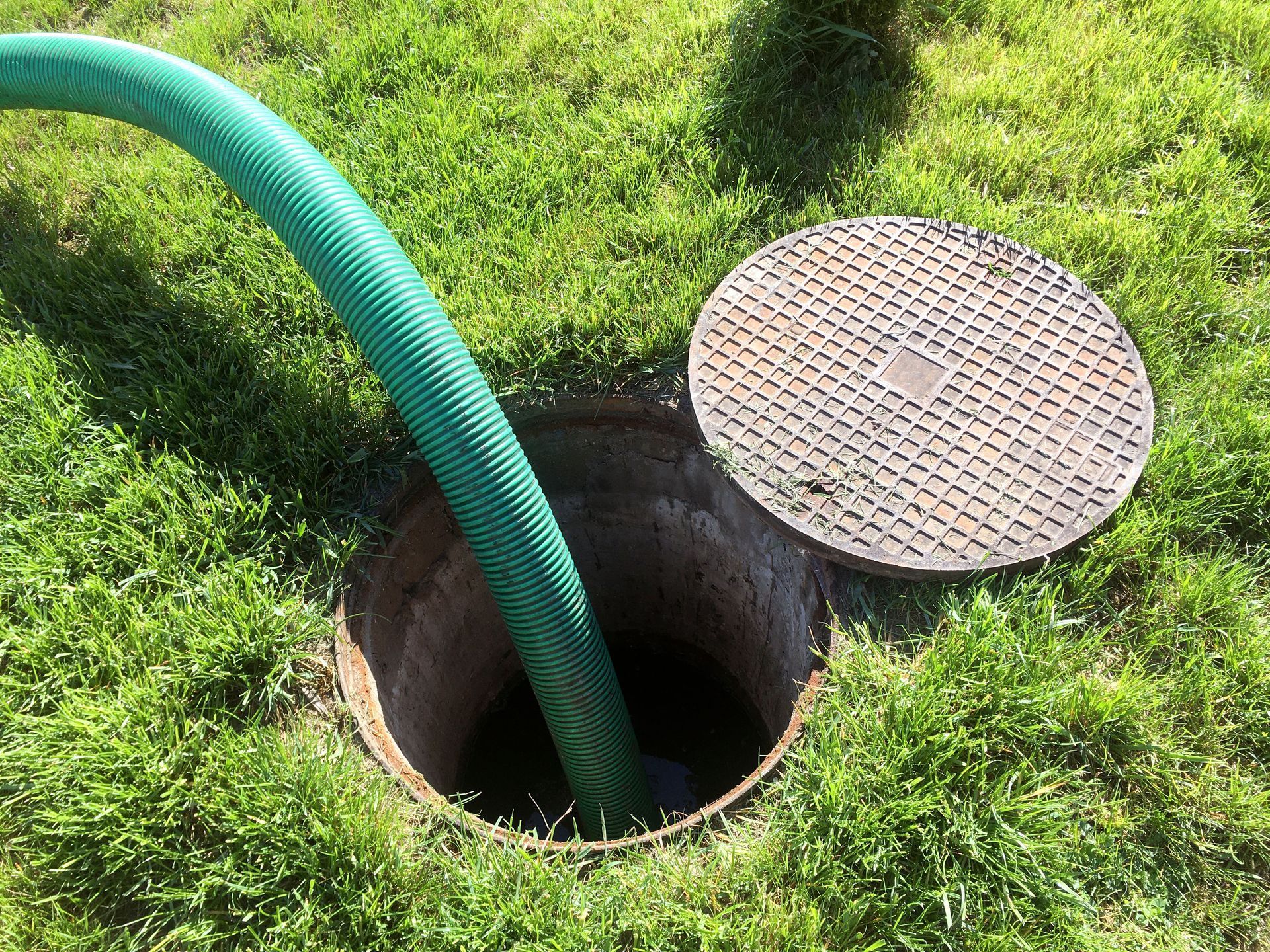
A typical septic system includes a tank, a drainfield, and a soil absorption area that work together to treat wastewater. The tank separates solids from liquids, allowing waste to break down over time while the effluent flows into the drainfield. From there, the soil completes the filtration process by removing harmful contaminants before water returns to the environment. Regular septic pumping ensures that solids do not accumulate excessively, which can interfere with this process.
As wastewater moves through the system, naturally occurring bacteria help decompose organic matter and maintain balance within the tank. When solids build up beyond normal levels, the system becomes strained and less effective. This is why inspections paired with pumping are so important, as they maintain proper function and reduce the likelihood of blockages or overflow.
Recognize Warning Signs Early
Homeowners should be aware of the early signs that indicate a septic system may be struggling. Slow drains, unpleasant odors, and unusual sounds in plumbing fixtures often point to developing issues. Wet patches or unusually green grass near the drainfield can signal that wastewater is not being properly absorbed. Addressing these warning signs quickly can prevent more serious damage.
Routine inspections help identify these problems before they escalate, especially when combined with scheduled pumping. By removing excess sludge and checking system components, professionals can detect subtle changes that might otherwise go unnoticed. Early action reduces repair costs and minimizes disruption to your home.
Prevent Costly Repairs
One of the most compelling reasons to schedule regular inspections is to avoid expensive repairs. Small issues, such as minor leaks or partial clogs, can develop into major failures if left untreated. Replacing a damaged drainfield or repairing a collapsed tank can be significantly more costly than maintaining the system through inspections and pumping.
Proactive maintenance allows homeowners to manage expenses more effectively. Instead of facing sudden and substantial repair bills, you can plan for routine service visits that keep your system in stable condition. Over time, this approach preserves both your property value and your peace of mind.
Protect Environmental Health
A properly functioning septic system plays an important role in protecting the environment. When systems fail, untreated wastewater can seep into the ground and contaminate nearby water sources. This contamination can harm local ecosystems and pose health risks to people and animals. Pollutants such as bacteria, nutrients, and chemicals may travel through the soil and reach wells, streams, and lakes, disrupting natural balances and affecting water quality. Preventing these issues begins with keeping the system in good working order and addressing concerns before they escalate.
Regular inspections and pumping help ensure that wastewater is treated correctly before it returns to the soil. By maintaining your system, you contribute to cleaner groundwater and a healthier community. Septic pumping removes excess solids that could otherwise overflow into the drainfield and reduce its effectiveness. Responsible septic care supports long-term environmental sustainability while reducing the risk of pollution, allowing your system to operate safely while minimizing its impact on the surrounding environment.
Maintain System Efficiency
Efficiency is a key factor in the longevity of any septic system. Over time, wear and tear can reduce performance, making it harder for the system to process waste effectively. Inspections identify areas where efficiency may be declining, such as buildup within the tank or issues in the drainfield. Small inefficiencies can gradually place added strain on components, leading to uneven distribution of wastewater and reduced treatment quality. Regular evaluations help ensure that each part of the system continues to function as intended, preserving balance and preventing unnecessary stress on the system.
Incorporating septic pumping into your maintenance routine keeps the system running smoothly by removing accumulated solids. This not only improves performance but also extends the lifespan of the entire system. By preventing excess sludge from entering the drainfield, septic pumping supports proper filtration and reduces the risk of clogs or backups. A well-maintained system requires fewer repairs and operates more reliably over time, helping homeowners avoid disruptions while maintaining consistent wastewater treatment.
Follow Recommended Inspection Schedules
Establishing a consistent inspection schedule is essential for proper septic care. While the exact timing may vary depending on household size and usage, regular evaluations ensure that potential issues are addressed promptly. Septic pumping should be performed as recommended to prevent excessive buildup within the tank.
System size also plays a role in determining maintenance needs. According to Forbes, a 1,000-gallon septic tank is generally suitable for a five-bedroom home, which highlights the importance of matching system capacity to household demand. Staying on schedule with inspections and pumping helps ensure that the system continues to meet your needs effectively.
Prepare for Professional Inspections
Preparing for a septic inspection can make the process more efficient and productive. Homeowners should ensure that access points are clear and that the inspector can easily locate system components. Providing information about past maintenance and any recent issues can help guide the evaluation.
During the inspection, professionals assess sludge levels, examine structural integrity, and evaluate the performance of the drainfield. Septic pumping may be recommended if buildup is excessive or if it has been some time since the last service. This thorough approach ensures that all aspects of the system are functioning properly.
Address Common System Issues
Septic inspections often reveal common problems that require attention. Clogs caused by improper waste disposal can restrict flow and lead to backups. Structural damage, such as cracks in the tank, may allow wastewater to escape and contaminate the surrounding soil. Drainfield saturation can reduce the system’s ability to filter effluent effectively.
Routine septic pumping helps prevent many of these issues by keeping the tank at appropriate levels. When combined with inspections, it allows professionals to address concerns before they become severe. Taking corrective action early ensures that your system remains dependable and safe.
Choose Qualified Professionals
Selecting the right professional for septic inspections is an important decision. Experienced providers bring the knowledge and tools needed to evaluate your system accurately. They can offer clear recommendations and perform necessary services, including septic pumping , to keep your system in optimal condition.
Working with a reliable provider establishes consistency in maintenance and builds a better understanding of your system over time. Clear communication and thorough reporting help you stay informed about your system’s condition and any steps needed to maintain it.
Long-term septic system care requires a commitment to regular inspections and ongoing maintenance. By staying proactive, homeowners can avoid unexpected problems and ensure that their systems continue to operate efficiently. Incorporating pumping into your routine is a critical part of this strategy.
Consistent care not only protects your investment but also contributes to a healthier living environment. A well-maintained septic system supports daily comfort while reducing the risk of disruptions or hazards. We encourage homeowners to stay proactive and schedule regular service with us at Hambone Plumbing and Septic Pumping. We keep your system running at its best.