February 10, 2026
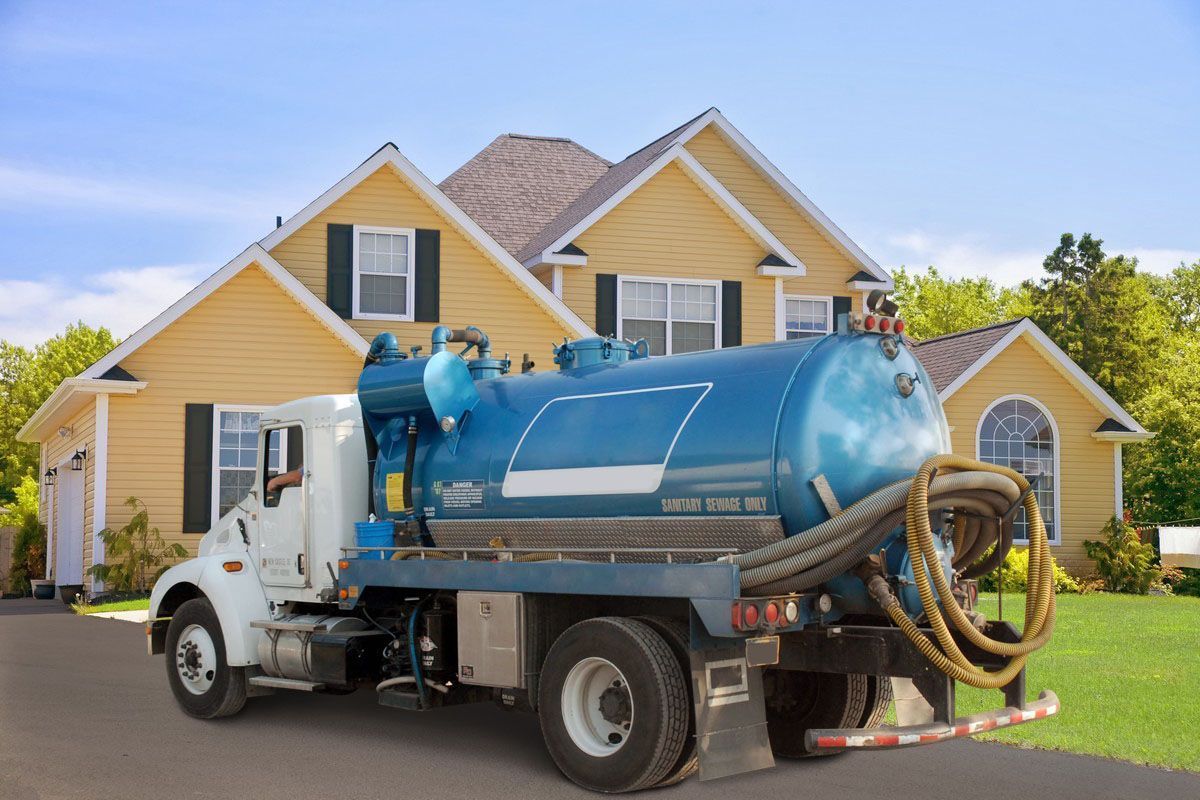
This article discusses the common issues that plague septic systems and provides actionable tips for preventing each of these problems. With proper maintenance and awareness, homeowners can ensure their septic systems function efficiently and avoid costly repairs. Septic systems require regular septic pumping services to avoid issues such as overflowing drain fields, clogged pipes, and chemical imbalances. Homeowners who understand these problems are better equipped to maintain a safe and healthy environment. According to the Washington Post, roughly 20% of households in the United States rely on septic systems to treat their wastewater.
1. Overflowing Drain Fields
Drain field overflow occurs when the soil surrounding a septic system's drainage area becomes saturated and can no longer absorb liquid waste efficiently. This is often caused by excessive rainfall, poor drainage design, or failure of regular septic pumping services. Another factor is the overuse of household water, which can lead to more wastewater entering the drain field than it can handle. Blockages within the septic system can also contribute to overflowing. When solid waste accumulates in pipes, it can prevent proper water flow, causing spills into the surrounding area. Contacting your local septic pumping services regularly can help prevent this.
2. Identifying Signs of Overflowing Drain Fields
Identifying the signs of an overflowing drain field early can prevent environmental and health hazards. Standing water in the drain field area, even in dry weather, is a clear indication of overflow. Foul odors emanating from the ground can also be a tell-tale sign that your septic system is not functioning properly. Grass and vegetation that suddenly become lush and green in one spot might also indicate a problem. If wastewater is backing up into your home’s drains, this is a critical warning that should not be ignored.
3. The Increasing Impact on Environment and Health
Overflowing drain fields can have significant ramifications for both the environment and human health. When untreated wastewater reaches the surface, it can contaminate nearby water sources, including lakes, streams, and groundwater. This contamination poses risks of serious diseases to humans and wildlife. The spread of contaminants can also disrupt local ecosystems, affecting plant and animal life. In neighborhoods reliant on their own water wells, an overflowing drain field could compromise the safety of their water supply, underscoring the importance of effective septic pumping services.
4. Preventing Septic Disasters
Prevention of drain field overflow begins with proper system design and installation by certified professionals. Homeowners should practice water conservation to prevent overloading the system with excess water. Avoiding the use of harsh chemicals in household cleaning can also help maintain the balance required for efficient drain field operation. Finally, recognizing early warning signs and acting promptly can alleviate many potential issues.
5. Improving Solutions for Overflow Issues
Once a drain field has begun to overflow, immediate action is necessary to rectify the situation. Contacting a certified septic professional is recommended to assess and resolve the issue effectively. Solutions may involve septic pumping services, repairing or replacing failing system components, and improving soil drainage. Installing a backup drain field can provide additional capacity and safeguard against future overflow. Mitigating overflow problems not only addresses current issues but also enhances the system’s longevity.
6. Clearing Clogged Pipes and Drains
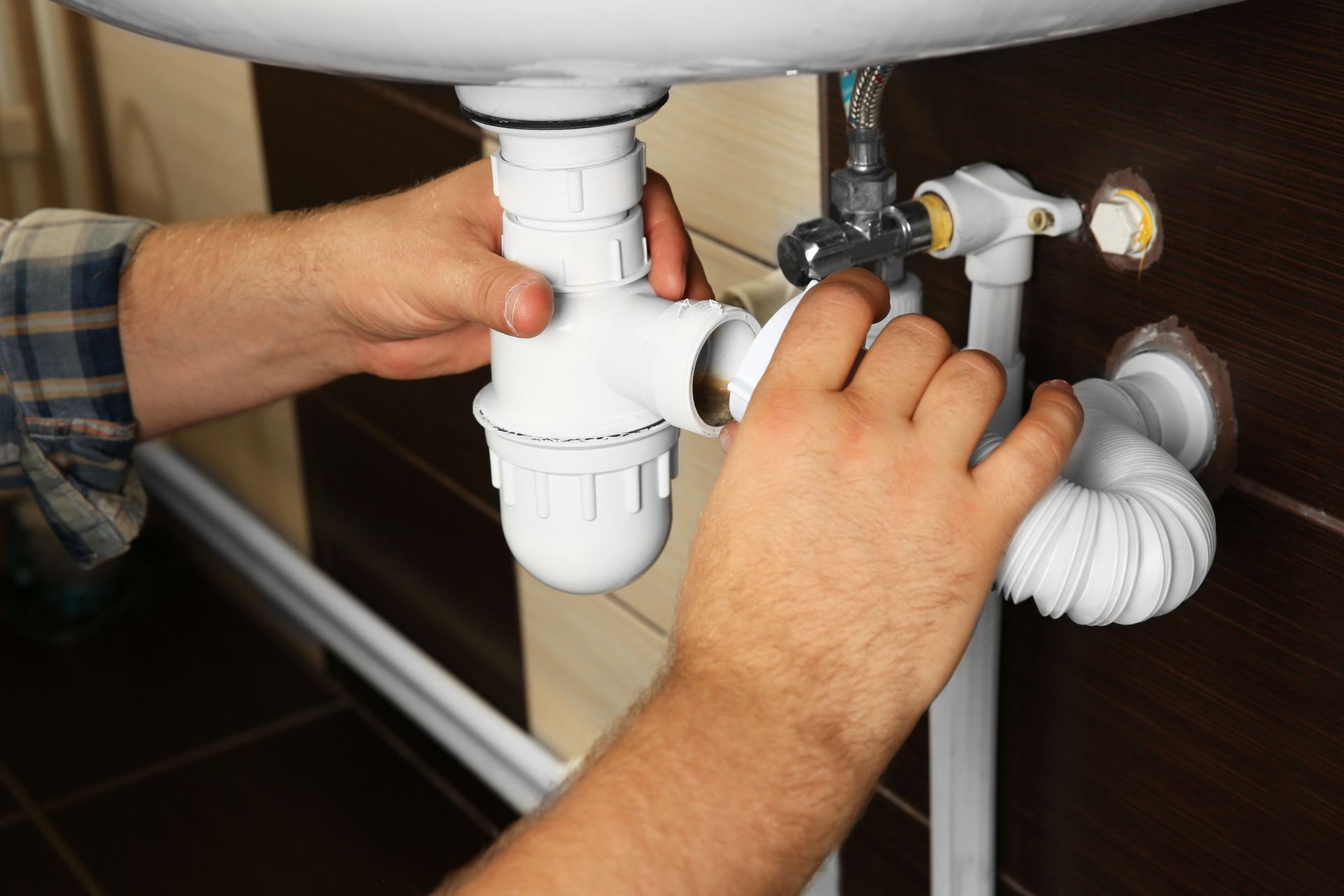
Septic system pipes and drains can become clogged for a variety of reasons. One primary cause is the accumulation of non-biodegradable materials such as wipes, feminine hygiene products, and plastics. Grease and oils poured down the drain solidify and create blockages over time. Roots from nearby trees can infiltrate pipes seeking moisture, causing obstructions. Additionally, heavy usage and lack of regular maintenance can exacerbate the clogging issue.
7. Identifying Early Signs of Clogs
Early detection of clogged pipes and drains can save homeowners from severe septic problems. Slow-draining sinks, tubs, and toilets are often the first sign of a blockage. Gurgling sounds from the plumbing system, particularly after using water, can indicate trapped air from a clog. Foul odors coming from the drains should not be ignored, as they suggest sewage back-up. Regularly encountering these issues might mean that immediate attention is needed to avoid system breakdown.
8. Utilizing Tools to Clear and Prevent Clogs
A variety of tools and products are available to help clear existing clogs and prevent new ones. A plunger can be effective for minor blockages in sinks and toilets. Drain snakes can clear deeper or more stubborn clogs in pipes. Enzyme-based cleaners can help break down organic material without damaging the pipe infrastructure. For long-term prevention, installing screens over drains can help catch debris that might cause clogs. Educating household members about proper waste disposal is also beneficial.
9. Implementing Regular Maintenance Tricks
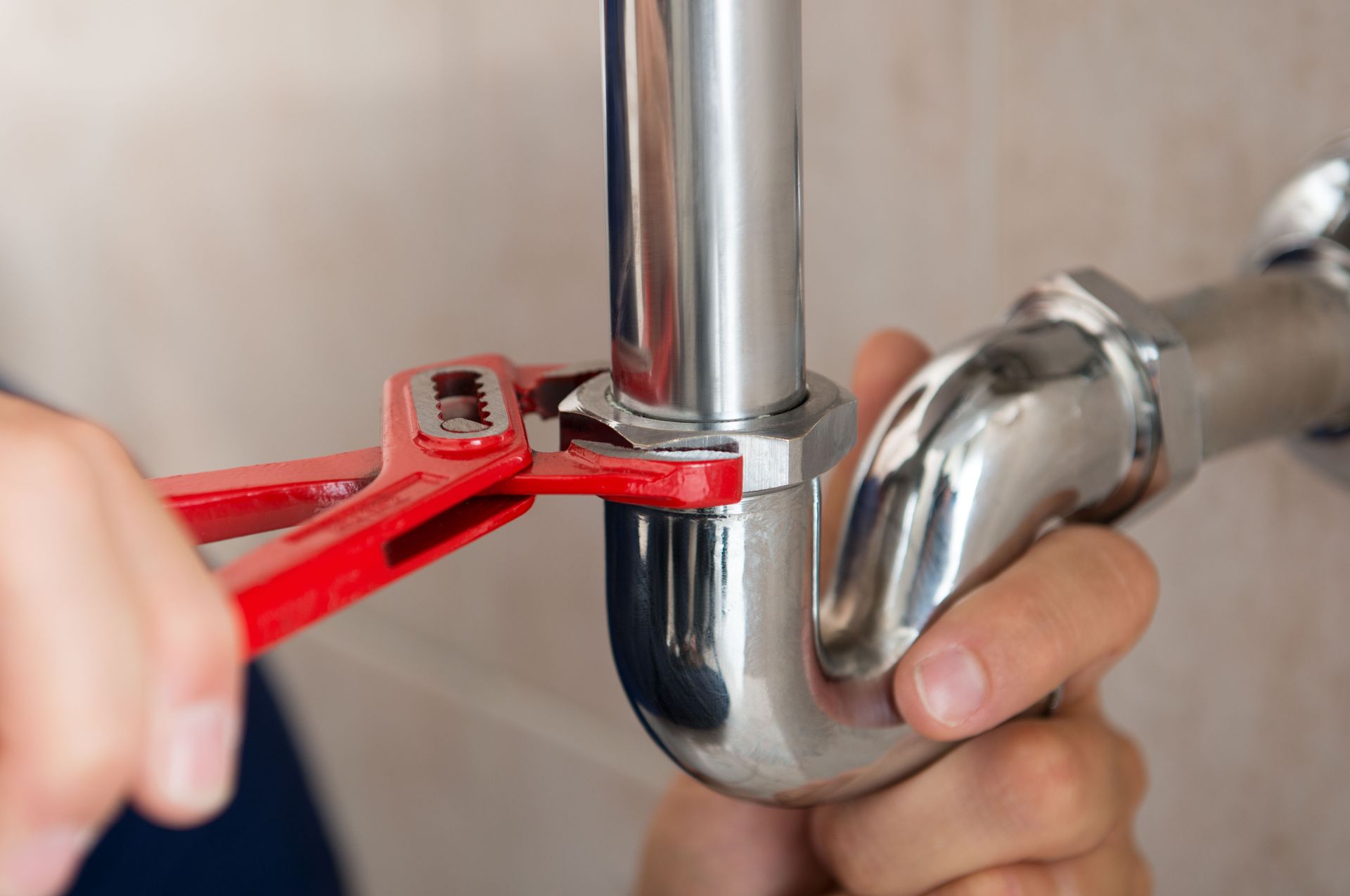
Routine maintenance is key to preventing clogged pipes and drains in a septic system. Periodically flushing hot water through drains can help dissolve and move away grease build-up. Homeowners should regularly check for and repair any leaks within their plumbing system. Implementing a monthly schedule for using enzyme-based cleaners keeps drains clear and working efficiently. Staying vigilant about what is disposed of through household drains is crucial. Even small preventive measures can greatly minimize the risk of clogs.
10. Calling for Professional Help and When to Seek It
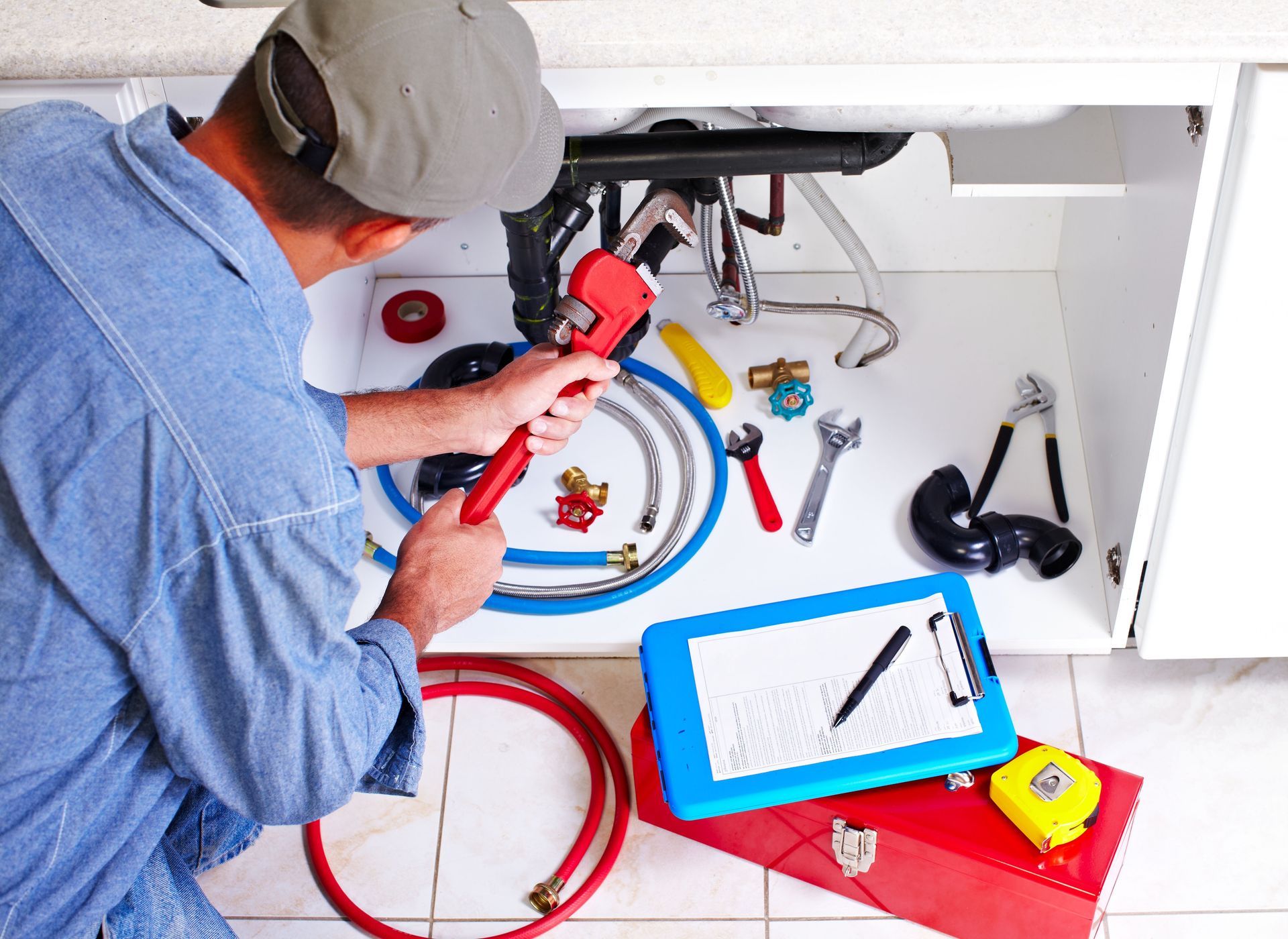
While many minor clogs can be handled with DIY solutions, professional help should be sought if issues persist. A septic professional can offer advanced solutions and equipment unavailable to homeowners. When plunging and using drain snakes fail to resolve the problem, specialized camera inspections can identify stubborn clogs. Septic pumping services professionals are also knowledgeable regarding municipal regulations and can take actions to ensure compliance. Prompt assistance prevents minor issues from evolving into costly repairs.
11. Weakening Roots Due to Infiltration
One of the less obvious threats to septic systems comes from tree roots. Tree roots seek out moisture and can easily infiltrate septic pipes through small joints or weaknesses. Once inside, roots continue to grow and create major blockages. This not only hinders the flow of wastewater but can also cause structural damage. The intrusion of roots can compromise the integrity of the septic system, necessitating costly repairs.
12. Identifying Root Infiltration
Detecting root infiltration early is essential to prevent extensive septic system damage. Slow-draining water and persistent clogs not caused by typical blockages are potential indicators. If certain areas of the lawn are unusually lush, it could be due to root-induced leaks in the system. Visual inspection using cameras can confirm root growth inside pipes. Homeowners should be aware of these signs and act immediately if they suspect root infiltration.
13. Discovering Long-term Damage from Roots
Long-term root infiltration can cause a host of damaging effects on septic systems. Continual root growth inside pipes can lead to extensive leakage or even pipe collapse. Over time, nutrient-rich leaks from pipes can weaken soil structures, affecting drain field performance. The resulting complete system breakdown can lead to environmental contamination. Addressing root issues promptly is necessary to protect the system's integrity and the surrounding ecology.
By understanding these common septic system problems and their preventative measures, homeowners can significantly reduce the risk of system failures. Regular maintenance and informed practices are key to extending the lifespan of septic systems and ensuring environmental safety. As roughly 20% of households in the United States depend on septic systems, recognizing these issues is even more critical. Being proactive about maintenance activities can save homeowners money and reduce environmental risks. Ultimately, an informed approach preserves both family safety and local ecosystem health. If you are looking for septic pumping services , contact Hambone Plumbing and Septic Pumping today.