October 21, 2026
A properly maintained septic system plays an essential role in managing household wastewater and protecting the surrounding property. When a septic tank accumulates too much solid waste, the system may struggle to separate and process wastewater effectively. Over time, this buildup can contribute to slow drains, unpleasant odors, sewage backups, and damage to the drainfield. Routine maintenance helps homeowners address these concerns before they develop into expensive problems. Professional septic pumping services remove accumulated sludge and scum from the tank, allowing the system to continue operating as intended. Regular inspections and responsible water usage also help reduce unnecessary strain on septic components. Understanding how pumping works and why it matters can help homeowners protect their plumbing systems and avoid unexpected disruptions. With consistent care, a septic system can provide dependable wastewater treatment for many years.
Removing Accumulated Solid Waste
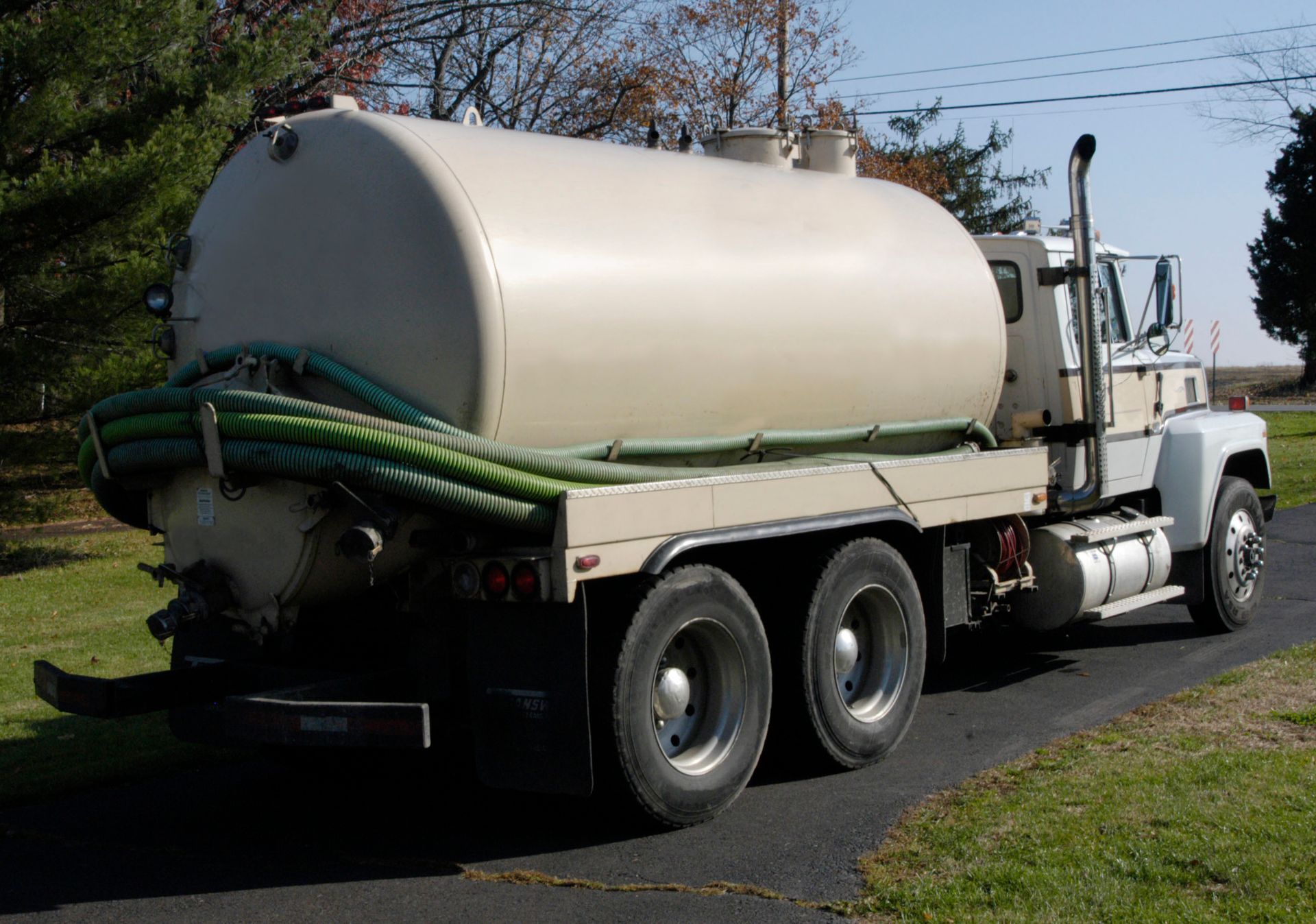
Septic tanks separate household wastewater into different layers as the contents settle. Heavy solids sink to the bottom and form sludge, while oils, grease, and other lightweight materials rise to the surface as scum. The liquid wastewater remains between these layers and eventually flows toward the drainfield. Although bacteria break down some organic material inside the tank, solids do not disappear completely. As sludge and scum accumulate, they gradually reduce the tank's available capacity. Septic pumping services remove these accumulated materials before they interfere with normal system operation. Without periodic pumping, excessive solids may escape into the outlet and enter the drainfield, where they can clog soil pores and restrict wastewater absorption. Removing waste at appropriate intervals helps preserve the tank's function and reduces the likelihood of preventable system problems.
Preventing Household Wastewater Backups
A septic backup can quickly disrupt daily household activities and create an unpleasant, unsanitary situation. Homeowners may notice warning signs such as toilets that drain slowly, sinks that gurgle, or wastewater that backs up into showers and floor drains. These symptoms can result from an overloaded septic tank, a blocked pipe, or another plumbing problem. When accumulated solids interfere with wastewater movement, the system may struggle to accept additional waste entering from the home. Timely septic pumping services can help prevent backups caused by excessive sludge and scum buildup. However, pumping alone will not resolve every drainage problem, particularly when pipes are blocked or the drainfield has failed. Homeowners should arrange an assessment when warning signs appear rather than repeatedly flushing drains or using chemical cleaners. Addressing the underlying cause early can help limit property damage and restore normal wastewater flow.
Protecting the Drainfield From Damage
The drainfield is a critical part of a conventional septic system because it receives wastewater from the tank and allows it to filter through the surrounding soil. This process depends on the soil remaining capable of absorbing and treating the wastewater. When too many solids leave the tank, they can clog the distribution system or accumulate in the drainfield. Excessive wastewater loading can also contribute to saturated soil and poor drainage. Routine septic pumping services help reduce the risk of solids reaching these sensitive components. Homeowners should also avoid parking vehicles over the drainfield, placing heavy structures on it, or directing roof runoff toward the area. Trees and shrubs with aggressive roots should be positioned carefully to minimize the risk of pipe damage. Protecting the drainfield can help prevent major repairs because replacing a damaged or failed field may be significantly more disruptive than routine tank maintenance.
Reducing Unexpected Repair Expenses
Emergency septic repairs can become expensive when problems remain unaddressed for extended periods. A neglected tank may contribute to blocked pipes, wastewater backups, drainfield damage, and other complications that require specialized attention. These problems can also disrupt household routines and potentially damage flooring, walls, landscaping, or personal belongings. Scheduling septic pumping services at appropriate intervals helps homeowners manage maintenance proactively instead of waiting for a serious failure. Pumping is not a guarantee against every repair, but it removes accumulated waste that can contribute to certain system problems. Periodic inspections can identify developing concerns such as leaks, damaged components, or unusual liquid levels. Addressing minor issues before they worsen may help reduce the scope of future repairs. Keeping maintenance records also helps homeowners track service dates and make more informed decisions about the condition of their systems.
Maintaining Reliable Wastewater Treatment
A septic system provides an important service by treating wastewater generated through ordinary household activities. Showers, laundry, dishwashing, and toilet use all contribute water and waste to the tank throughout the day. According to 24Market Reports, roughly one in five U.S. households depends on a septic system for wastewater treatment, serving more than 60 million people nationwide. This widespread reliance highlights the importance of maintaining systems that operate outside municipal sewer networks. Septic pumping services support proper maintenance by removing accumulated solids that would otherwise continue building up inside the tank. Homeowners should also avoid flushing wipes, feminine hygiene products, paper towels, and other materials that do not break down easily. Limiting grease disposal and spreading laundry loads throughout the week can further reduce unnecessary strain. Combining appropriate pumping with responsible household habits helps support reliable wastewater treatment and reduces the likelihood of preventable complications.
Controlling Unpleasant Septic Odors
Persistent sewage odors around a property may indicate that a septic system needs attention. Smells can originate near plumbing fixtures, tank access points, the drainfield, or areas where wastewater has surfaced. Excessive waste accumulation may contribute to operational problems, but odors can also result from dry plumbing traps, damaged vent pipes, leaks, or drainfield issues. Professional septic pumping services can help when a full tank is contributing to the problem. A qualified technician can also evaluate whether other components require inspection or repair. Homeowners should not assume that pumping alone will eliminate every odor because the source must first be identified. Strong sewage smells inside a building should be taken seriously, especially when accompanied by slow drains or visible wastewater. Prompt investigation can help protect indoor comfort, sanitation, and the surrounding environment.
Extending the Life of Septic Components
A septic system contains several connected components that must work together to manage household wastewater. These may include the tank, inlet and outlet pipes, baffles, distribution lines, and drainfield. When the tank is overloaded with solids, other components can experience additional stress or become obstructed. Regular septic pumping services help maintain appropriate tank capacity and reduce the likelihood of solids moving into downstream components. Inspections can also reveal damaged baffles, deteriorating tank covers, leaks, and other conditions that require attention. Homeowners should follow professional recommendations because pumping frequency varies according to tank size, household occupancy, water usage, and the amount of solids entering the system. There is no single schedule that suits every property. Consistent maintenance tailored to the system's needs can help preserve component performance and support a longer service life.
Routine septic maintenance helps prevent avoidable backups, protects the drainfield, and supports dependable wastewater treatment. Removing accumulated solids at the right time can reduce the risk of problems that interfere with household plumbing and lead to costly repairs. Homeowners can further protect their systems by monitoring warning signs, conserving water, and avoiding the disposal of inappropriate materials down household drains. Professional assessments help determine when pumping is necessary and whether other components need attention. Taking action before a minor concern becomes a major problem can provide greater peace of mind and help preserve your property's wastewater system. Contact Hambone Plumbing and Septic Pumping today to discuss your septic maintenance needs and schedule professional service to help keep your system operating reliably.